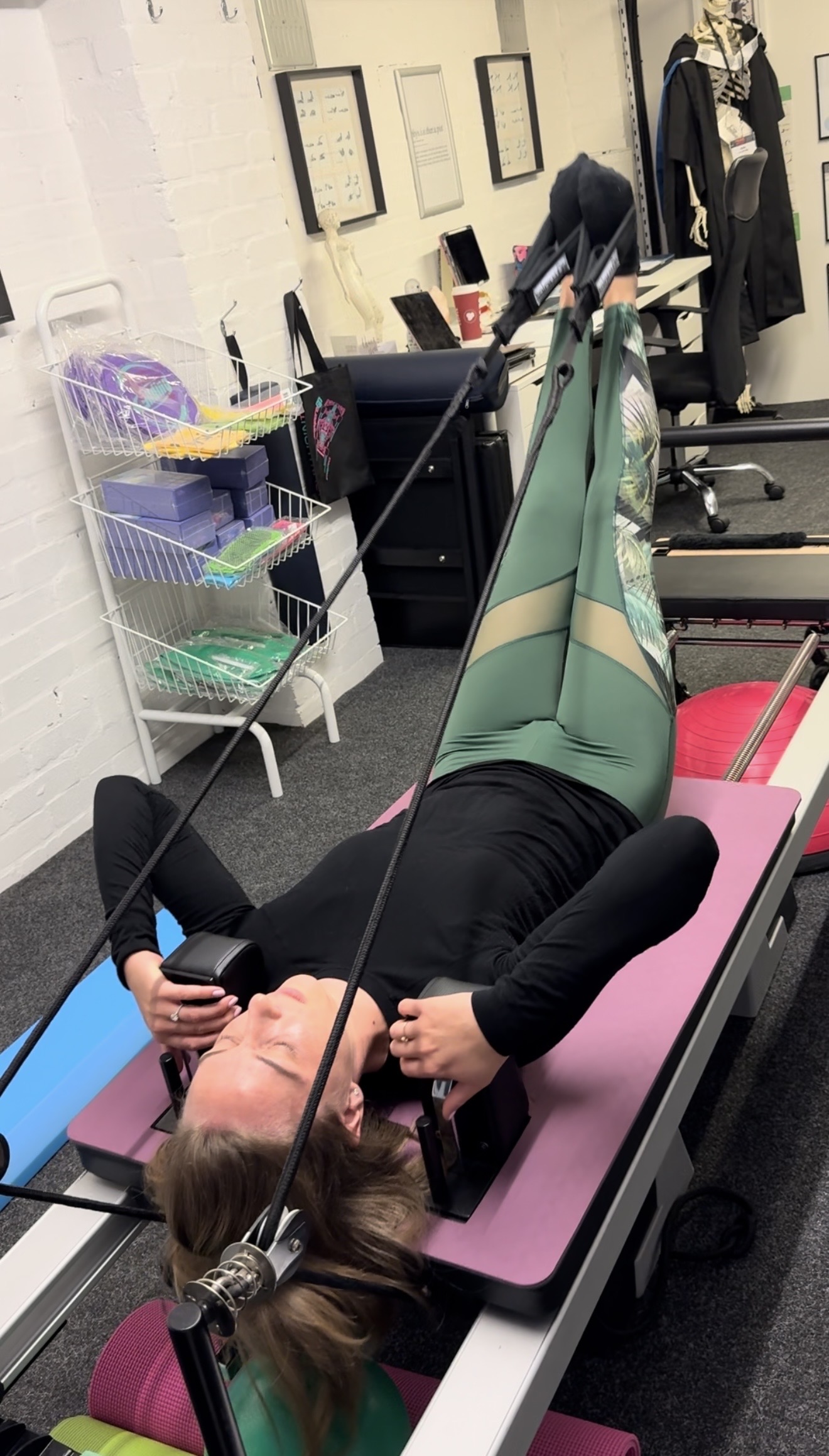
Training regularly? This one’s for you…
When people think of physiotherapy, they often imagine someone hobbling in after an injury, a twisted ankle, a pulled muscle, or post-surgery rehab. But physiotherapy isn’t just about fixing problems. It’s also about preventing them, improving performance, and helping you move better for longer.
“A recreational athlete is someone who trains or competes in their sport about 2 to 5 times per week for enjoyment, fitness, or personal goals, without competing professionally.”
If you’re a recreational athlete, whether you’re a runner, pole dancer, aerialist, cyclist, swimmer, or weekend warrior, seeing a physiotherapist before pain sets in can be one of the best investments you make in your body.
Here’s why:
1. Injury prevention beats injury recovery:
Most sports injuries don’t happen out of the blue; they build up over time due to imbalances, overuse, or poor movement patterns. A physiotherapist can identify early warning signs, such as restricted joint mobility, muscle imbalances, or movement compensations, before they become a problem.
Think of it as a ‘physical MOT‘, we assess how your body moves and loads, so you can keep doing what you love without interruption.
2. Optimise your performance without guesswork:
You don’t have to be an elite athlete to want to improve how you move. Whether you’re working on a pole trick, aiming for a longer run, or simply want to feel stronger in your gym sessions, physio can help you:
- Improve joint control and mobility.
- Refine movement patterns.
- Build strength strategically (not just randomly).
- Learn sport-specific prehab exercises that make a difference.
No more cookie-cutter training plans; we tailor them to your sport, your goals, and your body.
3. Recreational athletes often train without support:
You may not have a coach, a team physio, or a structured training programme, and that’s where things can unravel. You’re more likely to:
- Repeat poor technique.
- Ignore niggles until they scream.
- Overtrain or under-recover.
A physio acts like your movement mentor, helping you train smarter, not just harder.
4. Support for active recovery & long-term health:
Your training shouldn’t leave you stiff, sore, and exhausted all the time. A physiotherapist can support you with recovery tools like:
- Mobility work.
- Active rest strategies.
- Pilates or targeted strengthening.
- Manual therapy (when appropriate).
This is especially important if you’re juggling training with work, family, or other commitments. Your body deserves the same care you give to everything else in your life.
5. Build Confidence in Your Body:
Physiotherapy isn’t just about joints and muscles; it’s about helping you feel confident in your body’s capabilities.
If you’ve ever held back in training due to fear of injury, past pain, or not feeling “strong enough,” a physiotherapist can help bridge that gap. We empower you with knowledge, support, and practical tools to feel capable, resilient, and ready for more.
Bottom line? You don’t need to be broken to see a Physio.
Just like regular dental check-ups or car servicing, a proactive physio session is a smart step for any active person, even (especially!) if you feel pretty good right now.
If you’re a recreational athlete and want to future-proof your body, feel confident in your training, and stay injury-free, let’s chat.
Book your Movement MOT or drop me a message if you’re unsure what you need. I’ll always point you in the right direction.
Jane Cole
Chartered Physiotherapist | Pole & Aerial Specialist
Free Your Body Therapy & Pole Kinetics PT