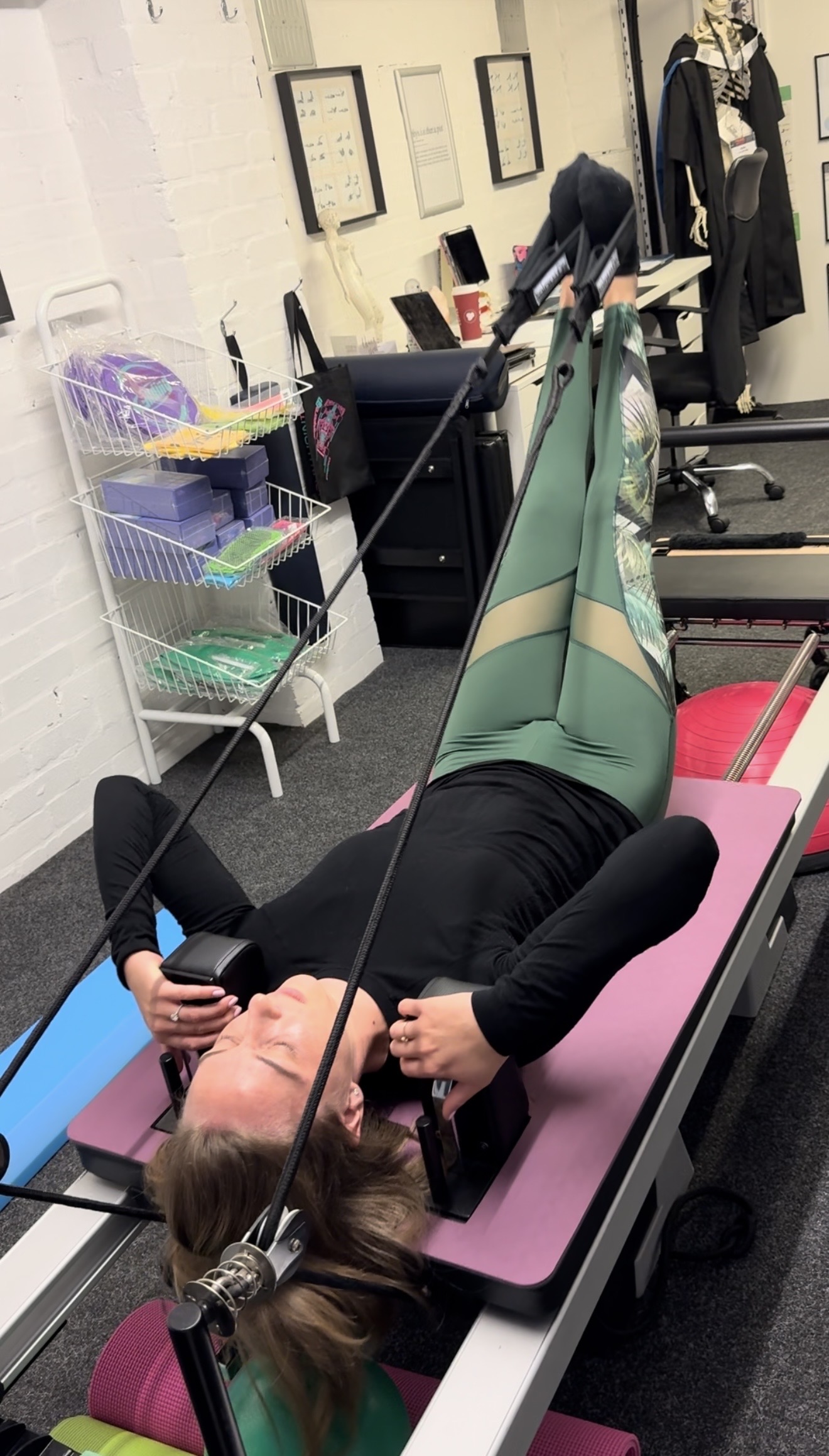
Why stretching isn’t getting you your splits…

If you’ve been stretching consistently but your splits still feel no closer, you’re not alone. It’s one of the most common frustrations I hear from pole dancers and aerialists:

“I stretch every day, but I just can’t seem to get any lower.”

The truth is, flexibility isn’t simply about stretching. While stretching has its place, it isn’t the only ingredient needed to achieve a full split, and in many cases, it isn’t the limiting factor at all.

Continue reading

What actually happens to your body during a pole or aerial training session…

From the outside, pole and aerial arts (like hoop or silks) look like pure artistry, beautiful lines, effortless transitions, and shapes that seem to defy gravity. But behind the beauty is a huge amount of science. Your body is working incredibly hard, using strength, balance, flexibility, coordination and pain tolerance all at the same time.

Continue reading

Training regularly? This one’s for you…

Why you should see a Physio even if you don’t have an injury (especially as a recreational athlete)?

Training regularly? This one’s for you…

When people think of physiotherapy, they often imagine someone hobbling in after an injury, a twisted ankle, a pulled muscle, or post-surgery rehab. But physiotherapy isn’t just about fixing problems. It’s also about preventing them, improving performance, and helping you move better for longer.

“A recreational athlete is someone who trains or competes in their sport about 2 to 5 times per week for enjoyment, fitness, or personal goals, without competing professionally.”

If you’re a recreational athlete,  whether you’re a runner, pole dancer, aerialist, cyclist, swimmer, or weekend warrior, seeing a physiotherapist before pain sets in can be one of the best investments you make in your body.

Here’s why:

1. Injury prevention beats injury recovery:

Most sports injuries don’t happen out of the blue; they build up over time due to imbalances, overuse, or poor movement patterns. A physiotherapist can identify early warning signs, such as restricted joint mobility, muscle imbalances, or movement compensations, before they become a problem.

Think of it as a ‘physical MOT‘, we assess how your body moves and loads, so you can keep doing what you love without interruption.

2. Optimise your performance without guesswork:

You don’t have to be an elite athlete to want to improve how you move. Whether you’re working on a pole trick, aiming for a longer run, or simply want to feel stronger in your gym sessions, physio can help you:

  • Improve joint control and mobility.
  • Refine movement patterns.
  • Build strength strategically (not just randomly).
  • Learn sport-specific prehab exercises that make a difference.

No more cookie-cutter training plans; we tailor them to your sport, your goals, and your body.

3. Recreational athletes often train without support:

You may not have a coach, a team physio, or a structured training programme, and that’s where things can unravel. You’re more likely to:

  • Repeat poor technique.
  • Ignore niggles until they scream.
  • Overtrain or under-recover.

A physio acts like your movement mentor, helping you train smarter, not just harder.

4. Support for active recovery & long-term health:

Your training shouldn’t leave you stiff, sore, and exhausted all the time. A physiotherapist can support you with recovery tools like:

  • Mobility work.
  • Active rest strategies.
  • Pilates or targeted strengthening.
  • Manual therapy (when appropriate).

This is especially important if you’re juggling training with work, family, or other commitments. Your body deserves the same care you give to everything else in your life.

5. Build Confidence in Your Body:

Physiotherapy isn’t just about joints and muscles; it’s about helping you feel confident in your body’s capabilities.

If you’ve ever held back in training due to fear of injury, past pain, or not feeling “strong enough,” a physiotherapist can help bridge that gap. We empower you with knowledge, support, and practical tools to feel capable, resilient, and ready for more.

Bottom line? You don’t need to be broken to see a Physio.

Just like regular dental check-ups or car servicing, a proactive physio session is a smart step for any active person, even (especially!) if you feel pretty good right now.

If you’re a recreational athlete and want to future-proof your body, feel confident in your training, and stay injury-free, let’s chat.

Book your Movement MOT or drop me a message if you’re unsure what you need. I’ll always point you in the right direction.

Jane Cole

Chartered Physiotherapist | Pole & Aerial Specialist

Free Your Body Therapy & Pole Kinetics PT

Take the First Step Toward Pain-Free Movement.

We help people recover from shoulder injuries, improve mobility, and build strength. Our holistic approach combines physiotherapy, strength training, and functional movement to address the root causes of pain and optimise performance. Whether you’re a pole dancer, swimmer, or involved in overhead tasks, we’re here to unlock your full potential and keep you moving pain-free.

Continue reading

Why Physiotherapists Love the Pilates Reformer.

A Tool for Recovery and Performance!

Traditional exercises and manual therapies may come to mind when you think of physiotherapy. But have you ever wondered why some physiotherapists, like me, incorporate the Pilates Reformer into their treatment plans? This innovative piece of equipment has a rich history and offers unique benefits that can bridge the gap between injury recovery and performance enhancement.

A Brief History of the Pilates Reformer:

Joseph Pilates invented the Pilates Reformer in the early 20th century as part of his comprehensive approach to physical fitness, which he called “Contrology.” Designed originally for rehabilitation, the Reformer helped bedridden patients regain strength and mobility. Over the years, it evolved into a versatile fitness tool embraced by athletes, dancers, and anyone looking to improve their physical capabilities.

Joseph’s concept was simple yet revolutionary: controlled resistance through springs and a sliding carriage could strengthen and lengthen muscles simultaneously. This principle is just as relevant today as it was a century ago, making the Reformer a natural fit for physiotherapy.

Why Do Physiotherapists Use the Reformer?

  1. Controlled Progression for Recovery:
    Rehabilitation often requires balancing the body’s challenges and protecting it from further strain. The Reformer beautifully provides this balance. Its adjustable resistance allows me to tailor exercises to your specific needs, whether you’re recovering, you’re undergoing surgery, managing chronic pain, or addressing a recent injury. For instance, gentle resistance can aid in reactivating weak muscles, while greater tension can gradually build strength in a controlled manner.

  2. Restoring Functional Movement:
    The Reformer is ideal for retraining movement patterns that may have been lost due to injury or compensations. It enables precise, guided movements that mimic real-life activities. This focus on functional movement ensures that progress in the clinic translates to better mobility and strength in your daily life.

  3. Joint-Friendly Exercise:
    Many exercises, especially those involving weights or impact, can strain joints. The Reformer offers a low-impact alternative that protects your joints while still providing an effective workout. This particularly benefits individuals with arthritis, joint replacements, or other conditions requiring careful load management.

  4. Strength and Mobility for Every Body:
    Whether you’re an elite you’re or a weekend gardener, the Reformer caters to all fitness levels. It’s especially visible for targeting deep stabilising muscles, which are often neglected in traditional workouts. This translates to better shoulder control, core stability, and overall movement efficiency for pole athletes, aerialists, or anyone performing overhead tasks.

Injured or Not: The Reformer Fits Your Goals:

  • For Injury Rehabilitation: The Reformer allows for early mobilisation and gentle strengthening during recovery. Its versatility makes it suitable for treating various conditions, from post-surgical recovery to chronic issues like back pain or tendinopathies.

  • For Performance Enhancement: Even if you’re injury-free you’re Reformer can elevate your fitness. With exercises that challenge your range of motion, control, and strength, it’s a powerful tool for mastering advanced movements or simply feeling stronger and more flexible in daily life.

A Personal Touch:

At my clinic, I use the Pilates Reformer not only as a treatment tool but also to empower my clients. Whether you’re an athlete looking for peak performance or someone navigating the challenges of an injury, the Reformer offers a path to better movement, confidence, and resilience.

Jane x

Chartered Physiotherapist

Bridging the Gap Between Physiotherapy and Strength Training.

A Holistic Approach to Recovery and Performance.

In modern sports and rehabilitation, there’s a growing recognition that physiotherapy and strength training are not separate disciplines, but two parts of a unified approach to recovery and performance. Physiotherapy traditionally focuses on managing injuries, reducing pain, and restoring mobility, while strength training emphasises improving muscle strength, endurance, and power. Combining these two approaches is key to helping athletes and clients recover, optimise their performance, and prevent future injuries.

Why Bridging Physiotherapy and Strength Training is Important:
  • The main goal of injury rehabilitation is to restore pain-free function. Physiotherapy focuses on mobility and pain management, and once these aspects are addressed, clients need strength training to rebuild muscle strength and ensure their bodies can handle everyday activities or the demands of their sport. This approach reduces re-injury risk and helps clients transition from recovery to healing seamlessly. However, strength-based training.
  • For example, suppose a client is recovering from knee surgery. In that case, physiotherapy helps restore mobility, but to prevent future injuries, we incorporate strength training for the surrounding muscles, such as the quads, hamstrings, and glutes. By strengthening these areas, the client avoids re-injury and improves their ability to perform activities like running or lifting.
The Internal Strength Model® and How It Enhances Recovery:
  • A great example of how these two fields can work together is the Internal Strength Model® (ISM), which I’ve recently been exploring. ISM emphasises functional mobility, joint health, and strength. It helps clients build internal strength—within their muscles, joints, tendons, and ligaments—providing a strong foundation for both recovery and performance.
  • For clients recovering from injury, ISM teaches them to control movement under load, helping them become more resilient. It’s not just about getting back to everyday activities; it’s about ensuring the body is strong enough to meet the demands of both daily life and high-intensity sports.
How Athletes Benefit from a Combined Approach:
  • One of the biggest challenges in injury recovery is helping athletes return to their sport at full strength. By integrating strength training into physiotherapy, we ensure they don’t just recover, but come back stronger than before. For instance, if a rugby player is recovering from a shoulder injury, physiotherapy will first restore their range of motion and reduce pain. Once that’s achieved, we shift to strength training, focusing on upper body and shoulder stability. This prepares the player for the physical demands of rugby and reduces the risk of re-injury.
  • This holistic approach means athletes are healed and better equipped to perform at a higher level.
Practical Application in Client Sessions:
  • In practice, this combination of physiotherapy and strength training is tailored to each client’s needs. Typically, we start with manual therapy, joint mobilisation, and pain relief techniques. Once the client’s mobility is restored, we move into controlled strength exercises. For example, we might begin with Controlled Articular Rotations (CARs) to improve joint health and then gradually introduce resistance training, such as squats or lunges, to build strength.
  • Let’s take Suzanne, a horse rider who came to me after a hip operation. During the first 10 weeks of rehabilitation, we focused on restoring her range of motion and reducing pain. Once her mobility improved, we transitioned into strength training, specifically targeting her core and legs. This blend of physiotherapy and strength training allowed Suzanne to return to riding pain-free and helped her perform better in the saddle.
Why This Approach is Essential for Long-Term Success:
  • By integrating physiotherapy with strength training, clients recover faster and become more aware of how their bodies move. This approach doesn’t just help clients reach baseline recovery; it strengthens their bodies, improves resilience, and reduces the risk of future injuries. Whether they’re athletes or individuals with an active lifestyle, this combination ensures long-term success, enabling them to continue doing what they love—whether it’s returning to sports or living a pain-free life.

Bridging the gap between physiotherapy and strength training is not just about recovery—it’s about enhancing performance and preventing future injuries. Using methods like the Internal Strength Model®, we can build strength from the inside out, ensuring that clients don’t just get back to their usual activities but come back stronger and more capable. Whether you’re an athlete or simply looking to improve your quality of life, combining these approaches can help you move better, perform better, and stay injury-free.

Jane x

Chartered physiotherapist

Top 10 Health Benefits of Aerial Yoga!

A combination of traditional yoga poses, pilates and dance with the use of a hammock, aerial yoga defies gravity and allows you to perform various yoga poses that may be difficult to do on the ground, but easier in mid-air. It’s fun and acrobatic, so for those of you who dreamed of being a trapeze artist as a kid, this can give you a taste of what it is like.

Here are the Top 10 Health Benefits of Aerial Yoga:

  • Total body workout: Due to the nature of aerial yoga movements, almost all the body parts are forced to move and stretch. Muscles are toned and redefined, and joints are regenerated and strengthened due to these movements.
  • Psychologically beneficial: Aerial yoga helps rebuild your emotional system because it clears the mind and relieves stress due to its meditative state. It also helps you combat stress throughout the day and increases your creativity, which leads you to develop your own artistic skills.
  • Improves flexibility: Aerial yoga helps you to move more freely, with less effort, by counteracting gravity. Suspension in the air releases tension on the bones and muscles, increasing flexibility and deepening your practice.
  • Heals back problems: It gives you the chance to hang freely, allowing your spine to lengthen. With less strain on your back while doing the exercises, it eases tension in the spinal cord and hip joint, helping you feel better.
  • Increases strength: Aerial yoga improves strength and flexibility, which carries over into other daily activities. The core workout is a beneficial cross-training, as it helps runners increase stamina and be able recover faster.
  • Puts you in a great mood: Another key benefit of doing aerial yoga is that it gets your adrenaline going while going against gravity. It also releases “happy” hormones like serotonin, endorphins, oxytocin, dopamine, which boost your mood and help you feel more energetic.
  • Improves balance: While going against gravity can be exciting, aerial yoga also helps with balance and stability in daily activities. Balance is a key component in daily activities, and aerial yoga helps maintain a good balance both inside and out.
  • Aids digestion: The different types of stretches and movements help improve the digestive system, thus helping in healing various digestion-related issues, including constipation and indigestion.
  • Old age and heart disease: Aerial yoga improves the circulation of blood, thus combating aging and its symptoms. Aerial yoga also helps detoxify the circulatory and lymphatic systems, which lowers the onset of various cardiovascular issues.
  • Improves memory: Aerial yoga fortifies your neural connections, thereby, rendering better memory power. In a way, practicing aerial yoga can make you smarter!
Aerial Yoga – Pose